Trustworthy Pool Upkeep Service for Crystal Clear Waters
A trustworthy pool cleaning service plays an essential role in preserving clear and healthy waters. With professional expertise and specialized tools, these services effectively manage chemical balances and prevent potential health hazards. Regular maintenance not only improves a pool's visual attractiveness but also safeguards its longevity. Understanding the key benefits and considerations of hiring such a service can lead to informed decisions for pool owners. What factors should be taken into account when selecting the right service?
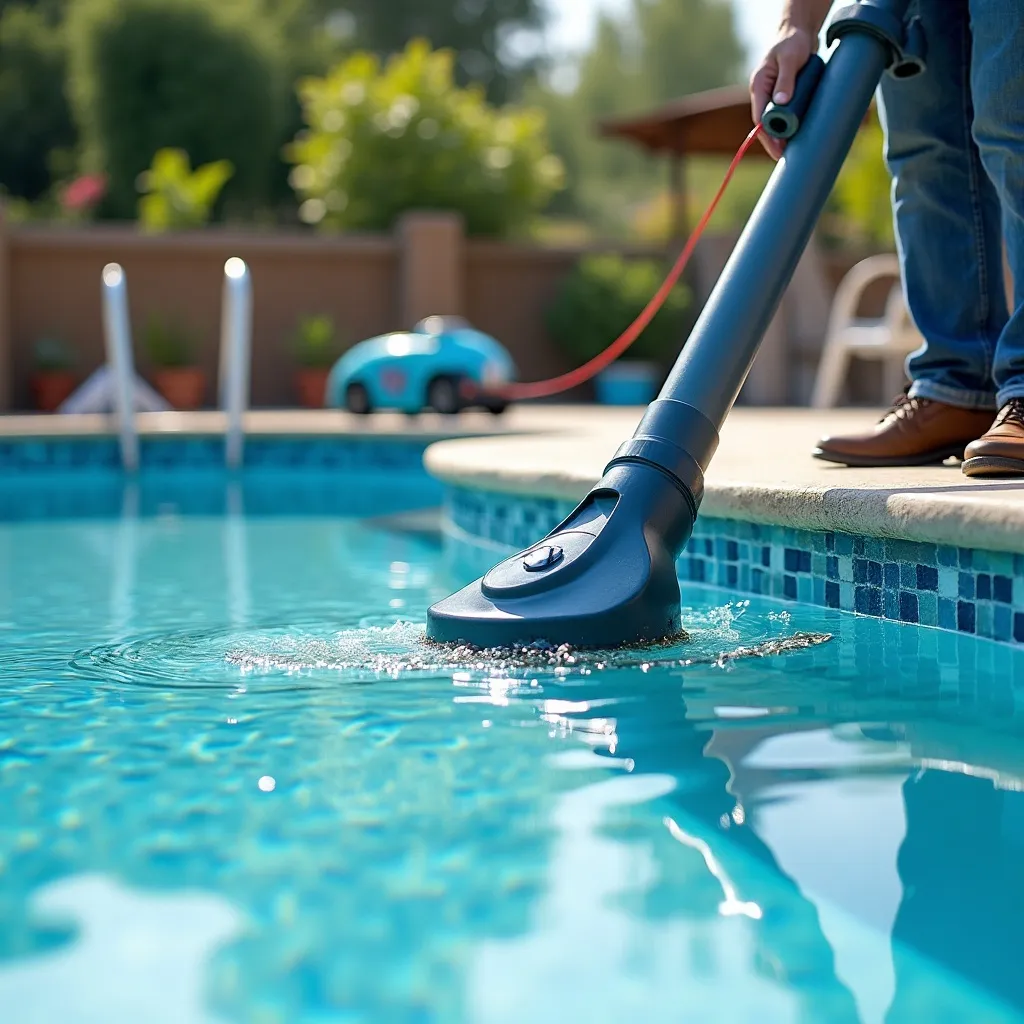
Why Select a Reputable Pool Upkeep Business?
Why should homeowners consider a trustworthy pool maintenance option? The maintenance of a pool requires consistent upkeep to ensure water quality and safety. Homeowners often are without the time or expertise to manage this properly. A dependable pool cleaning service offers specialized knowledge and tools, assuring that the pool stays clean and inviting. By assigning the task to professionals, homeowners can avoid potential health hazards connected with unclean water, such as algae growth and harmful bacteria.
Moreover, these options can help maintain the life of the pool's infrastructure by handling issues like debris accumulation and chemical balance. Homeowners can also benefit from routine inspections, recognizing problems before they escalate into costly repairs. Ultimately, contracting a dependable pool cleaning service allows homeowners to enjoy their pool without the stress of maintenance, providing peace of mind and enhancing their overall swimming experience.
Key Advantages of Engaging a Pool Cleaning Service
While many homeowners may underestimate the importance of pool upkeep, contracting a qualified pool maintenance service offers numerous benefits that enhance both the state of the pool and the owner's satisfaction. One significant advantage is the expertise these professionals bring, securing that all aspects of pool servicing—from chemical balancing to equipment maintenance—are performed correctly. This competence helps in preventing costly repairs subsequently.
In addition, a frequent upkeep routine reduces the burden on homeowners, allowing them to relish their pool without the hassle of upkeep. Professionals also use commercial tools and high-quality cleaning solutions that can achieve superior results compared to DIY methods.
Furthermore, engaging a service saves time, allowing homeowners to focus on leisure rather than labor. Ultimately, the investment in a pool cleaning service leads to a more welcoming, hygienic swimming environment, enhancing both the aesthetic appeal and functionality of the pool.
Critical Criteria for Choosing a Pool Cleaning Service
Determining the ideal pool cleaning service requires meticulous attention to several key factors. Essentially, a reputable service should display proper credentials, including licenses and insurance, confirming adherence to area requirements and providing protection against foreseeable exposures. Next, client testimonies and feedback serve as key benchmarks of consistency and superiority, allowing prospective clients to gauge the service's reputation.
Additionally, the assortment of options delivered is essential; a complete cleaning service should encompass routine upkeep, chemical equilibrium, and system checks. Price transparency is another essential factor, as straightforward and honest estimates prevent surprise charges. In addition, a dedication to employing eco-conscious materials can elevate the service's value, reflecting the preferences of environmentally aware customers. In conclusion, the provision of adaptable scheduling arrangements ensures that the business can meet customers' individual requirements, boosting customer contentment and convenience.
Comparing Pool Maintenance Approaches: Pros and Cons
When evaluating pool cleaning methods, it is crucial to comprehend the advantages and disadvantages of each approach. Manual cleaning allows for meticulous care but can be demanding and lengthy. Automatic cleaners offer convenience and efficiency, though they may not reach every corner of the pool.
Chemical agents are effective in purifying, but wrong application can lead to imbalanced water chemistry. In opposition, natural cleaning methods, like using natural catalysts, are green but may require more frequent applications to maintain clarity.
Robotic cleaners continue to gain popularity, achieving a middle ground of automated cleaning and effectiveness although they can involve a premium initial investment. At the end of the day, your cleaning solution will depend on budget constraints, time flexibility, and individual tastes. Comprehending the benefits and drawbacks supports pool owners in making well-informed choices so the water stays pristine and refreshing.
How Frequently Should You Get Your Pool Cleaned?
Figuring out how regularly a pool needs cleaning involves several considerations that can greatly impact care needs. Weather changes, the amount of pool activity, and overall water quality play crucial components in setting up an effective cleaning schedule. Understanding these elements can help pool operators in ensuring a healthy and pleasurable swimming environment.
Seasonal Upkeep Recommendations
Regular pool maintenance is vital for ensuring a safe and inviting swimming milieu. Seasonal recommendations advise that pool owners should plan maintenance work based on the individual needs of their pool and regional climate patterns. In spring, a thorough cleaning is critical to remove buildup that had gathered over winter. During the summer season, frequent cleanings are often advocated to manage increased pool usage and algae growth. As autumn approaches, heightened maintenance work may be crucial to handle leaves and other organic residue. In winter, if the pool is not in use, bi-weekly maintenance can help prevent complications like freezing and algae buildup. Following these periodic standards guarantees peak pool condition, safety, and enjoyment throughout the year.
Pool Utilization Frequency Impact
How frequently should pool owners think about cleaning their pool? The frequency of pool cleaning is primarily determined by usage patterns. For pools that see constant usage, especially in hot seasons, a weekly maintenance plan is recommended to maintain ideal hygiene and appearance. Conversely, pools that are utilized sparingly may only require maintenance every two weeks. Seasonal factors also play a role; for instance, during autumn, leaves and debris may necessitate more frequent care. Additionally, the number of swimmers introduces contaminants, which can accelerate the requirement for maintenance. Understanding these factors helps pool owners establish a customized maintenance schedule that guarantees a clean, appealing pool setting without excess upkeep expenses.
Quality of Water Reflections
The cleanliness of pool water is a important factor in establishing a secure and pleasant swimming environment. Regular cleaning is essential to maintain ideal water quality, typically suggested once a week for residential pools. However, the frequency may vary based on multiple factors, including pool usage, weather conditions, and surrounding vegetation. Heavy usage or debris-filled environments may necessitate more frequent cleaning. Additionally, regular testing of water chemistry—such as pH and chlorine levels—is crucial to guarantee sanitary conditions. Neglecting these aspects can lead to algae growth, cloudy water, and possible health risks. Consequently, investing in a reliable cleaning service not only improves the pool's appearance but also safeguards the health of its users.
What Can Fail Without Consistent Maintenance?
Disregarding pool maintenance can produce numerous challenges that compromise both the wellbeing and satisfaction of the swimming setting. Lacking routine cleaning, debris accumulates, creating a breeding ground for algae growth and bacteria, which can pose health hazards to swimmers. Furthermore, unbalanced chemical levels may cause skin irritation, discomfort in the eyes, or even worse health complications.
As time passes, the pool's filtration system can become congested, reducing its performance and resulting in turbid water. Additionally, neglecting routine checks can cause structural damage, including splits in the pool surface and corrosion of metal components. This deterioration not only impacts aesthetics but can also result in costly repairs. In summary, not sustaining a pool compromises its functionality and safety, ultimately diminishing the pleasure of swimming and boosting extended financial costs for the owner. Regular maintenance is essential for preserving a clean, safe, and enjoyable pool area.
Standard Pool Cleaning Mistakes to Avoid
Routine maintenance is necessary for steering clear of numerous issues, but even meticulous pool owners can commit mistakes during the cleaning process. One common problem is failing to check chemical levels before upkeep. Chemical imbalance can result in algae growth or cloudy water, sabotaging the cleaning effort. Additionally, using incorrect tools resource can damage surfaces; for example, metal brushes can mar vinyl liners.
Yet another common mistake involves disregarding the skimmer and pump baskets. Neglecting to empty these can impede water flow and reduce cleaning efficiency. Some owners also fail to upkeep on filters, which results in degraded performance and increased energy costs.
Finally, infrequent cleaning can cause a accumulation of particles and impurities. By steering clear of these common pitfalls, pool owners can ensure their cleaning routines are efficient, keeping their pools crystal clear and welcoming for all.
Frequently Asked Questions
How can I confirm if my pool cleaner has valid certification?
To verify if a pool cleaner is properly accredited, one should assess their qualifications with appropriate professional associations, confirm licenses, and question about their proficiency and background in pool upkeep and safety requirements.
What Compounds Do Pool Maintenance Companies Typically Utilize?
Pool cleaning services typically apply chlorine, pH balancers, algae eliminators, and water clarifying solutions. These chemicals maintain water transparency, inhibit algal development, and ensure healthy aquatic environments, enhancing efficient pool maintenance and general hygiene.
Can a Pool Maintenance Service Take Care of Repairs in Addition?
Many pool maintenance services provide repair capabilities, addressing problems such as leaks, equipment malfunctions, or surface wear. Their expertise allows for both upkeep and repairs, ensuring pools remain secure and operational for users.
How Do Climatic Factors Affect Swimming Pool Maintenance Schedules?
Environmental factors considerably affect pool upkeep schedules. Rain, wind, and extreme temperatures can slow down services, requiring schedule modifications. Additionally, storms may introduce unwanted debris, demanding regular sessions to copyright cleanliness and quality.
What preparations do I undertake before the Pool Cleaning Service reaches?
When the pool cleaning service is about to come by, the homeowner should remove any pool items, outdoor furniture, and waste from the area. Additionally, checking the water level and making sure access to equipment can facilitate a smoother cleaning process.